
10 Beverage Trends for 2026
The biggest takeaway from perusing stacks of 2026 beverage alcohol and hospitality trends and predictions is that consumers this year will be all about the experience. And not just any experience.
“As guests seek deeper connections through what they eat and drink, we’re seeing a shift toward experiences that engage every sense,” says Katherine Wojcik, director of programs & partnerships at IHG Hotels & Resorts. She notes in Kimpton’s annual Culinary + Cocktail Trend Forecast that “Cocktails, beverage programs and food menus have become storytelling platforms — expressions of place, culture and creativity.”
Curated, bespoke culinary experiences for groups are a trend to watch, says Matt Rinehart, vice president of food & beverage for HRI Hospitality. “Teams and groups want mixology activations, bartender-led tastings, Espresso Martini build bars, zero-proof stations and craft-beer pairings that feel bespoke instead of mass-produced. They want stories, not just buffets.”
Cocktails and drinks brands are transforming into full-spectrum lifestyle experiences — blending fashion, music, design and travel into cohesive cultural identities, says Bacardi’s Cocktail Trends Report 2026, created in collaboration with strategic foresight consultancy The Future Laboratory. “This evolution reflects a deeper shift in how consumers — particularly Gen Z and Millennials — choose to align with brands that embody who they are, not just what they drink.”
Here are 10 trends we’ve rounded up from industry experts that will help enhance the customer experience and drive beverage sales this year.
Texture takes over
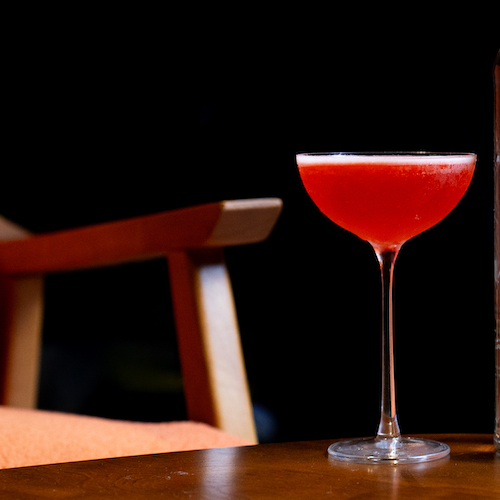
Cocktails will be getting touchy-feely, according to Phillips Distilling Co.’s 2026 Cocktailmanac, a report on the latest trends and cocktails from bartenders across the country. Foams, gels, fat-washes, layers and sip-by-sip transformations are turning drinks into full-on sensory events. Texture isn’t garnish anymore, the report says, it’s the plot twist.
Beverage alcohol distributor Southern Glazer’s Wine & Spirits went to London and Paris for its 2026 Liquid Insights Tour, an educational initiative led by Brian Masilionis, senior director of national accounts, on-premise channel insights, and Debbi Peek, director of mixology, national accounts, on-premise. Carbonation and texture play were key trends from the international tour.
Custom carbonation setups deliver lighter, flash-carbonated cocktails for more fizz-forward beverages. Evolved milk punches incorporated yogurt, clotted cream, and even rice pudding, adding new dimensions of silky, creamy texture and effervescence to the cocktail.
Fun-size sips
Gen Z’s drinking habits reflect a cultural shift: earlier evenings, mindful indulgence and casual imbibing, according to Bacardi’s Cocktail Trends Report. That’s driving one trend Bacardi calls Snackable Sips.
“Today’s drinkers are trading volume for vibe, embracing small-format cocktails that deliver flavor, ritual and reward — in a treat-sized serving,” the report says. “From mini Martinis and low-ABV sippers to dessert-and-drink pairings, bars are tapping into a culture of measured pleasure.”
For example, in the U.K., Manchester’s Blinker Bar offers a Smaller Serves menu featuring mini Margaritas, Martinis and its signature Snaquiri cocktail. Boston’s Birds of Paradise serves up a monthly mini Martini menu in collaboration with guest bars around the city.
Southern Glazer’s Liquid Insights Tour also found that mini Martinis and curated tasting menus are trending, offering guests variety, less alcohol per drink, value and a playful approach to discovery. Smaller pours and reservation-only tasting experiences encourage moderation while letting guests explore new favorites. Unlike U.S.-style drink flights, these “Tiny Pours” are designed to be enjoyed individually.
Beverage development company Flavorman projects that consumers will lean into classic and emerging fruit flavors.
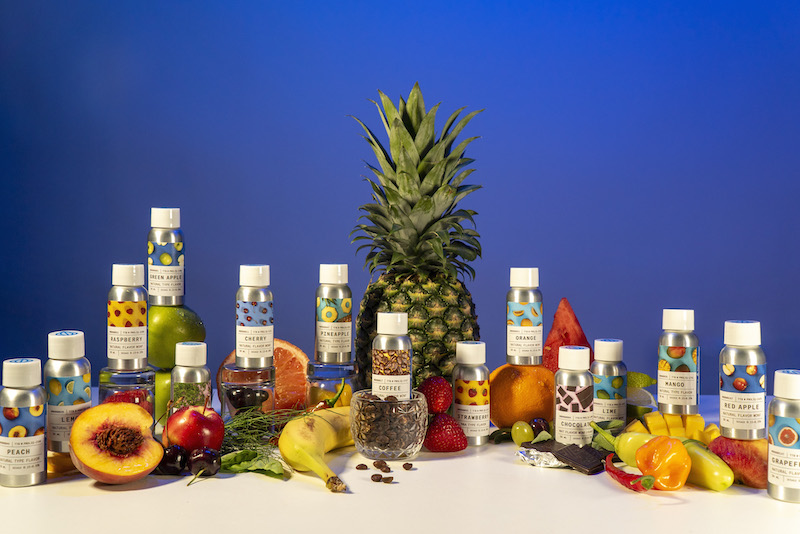
Liquid Insights Tour reports that London and Paris are breaking U.S. norms of wine pour sizes, with standard pours (4 oz. to 5 oz.), tasting sizes (2 oz.) and even luxury sips (less than 1 oz.) that make premium wines more accessible. Liquid Insights notes that high-volume venues used systems like Le Verre de Vin and Coravin to deliver increased variety while minimizing waste to keep prices approachable.
Retailers can also offer more fun-size wine and spirits, since the Alcohol and Tobacco Tax and Trade Bureau (TTB) in January 2025 expanded the range of authorized container sizes for wine and distilled spirits. Smaller formats of wine in particular, which now include 180-ml., 300-ml., 330-ml., and 360-ml. containers, enable consumers to try new wines without committing to a full bottle and also address the trend of people drinking less.
As for beer, the 7-oz. to 8-oz. bottle or can has been gaining ground, and it fits in with modern drinking trends, says Master Cicerone Neil Witte, who serves as a consultant to the Beer Institute. “High Life, Corona and Modelo are among the larger brands that have offered these small packages for some time,” he says.
This past year has seen some new entries, such as New Belgium’s Mini-Rippers and Sierra Nevada’s Pils, both available in 7.5-oz. and 8.4-oz. cans, Witte notes. “Consumers are paying about the same per ounce while buying smaller bottles or cans in larger packs. The benefit is being able to open a smaller beer when maybe you don’t want a full one. This aligns with consumer drinking trends where moderation is taking a bigger role.”
Fruity, dessert-inspired drinks
Globally, fruity and sweet reign supreme as the cocktail flavors of choice, according to Bacardi’s Cocktail Trends Report. These preferences are signaling the resurgence of dessert-inspired serves like the Piña Colada, named the number-three top global bar call for 2026 in Bacardi’s Global Consumer Survey.
The Porn Star Martini, such as this one from liqueur brand Chinola, ties into the trends of passion fruit flavors and guilty pleasures.

In its 2026 Beverage Trends Forecast, beverage development company Flavorman projects that consumers will lean even more heavily into classic, enduring flavors such as mango, strawberry, lemon-lime and vanilla. Flavorman also notes growing interest in emerging fruits and decadent flavors, such as guava, sumac berry, churro, and huckleberry cobbler.
Varieties and unique hybrids of citrus such as calamansi, hallabong and sumo will appear on food and drink menus, offering a fresh alternative to their more common citrus cousins, says Kimpton’s annual Culinary + Cocktail Trend Forecast. These vibrant, flavorful fruits bring unexpected tartness, sweetness and aroma, inspiring chefs and mixologists to experiment with imaginative pairings and presentations such as yuzu-infused cocktails.
Passion fruit, plus guilty pleasures
In their 18th Annual Hospitality Trends Report, lifestyle/hospitality marketing and PR firm AF&Co. and creative agency Carbonate note the rise of passion fruit cocktails. “Passion fruit’s bright acidity walks the line between tart and sweet, adding lift and balance to cocktails without being cloying,” the report says, plus its vivid orange hue provides eye appeal and its exotic flavor adds caché to any cocktail.
The Passion Fruit Martini is one of Bacardi’s top 20 global bar calls for 2026. Passion fruit figures prominently in the Porn Star Martini, which ties into Food & Wine magazine’s 2025 Drink Trend of the Year: The “Guilty Pleasure” Cocktail, such as Cosmos, Lemon Drops and Lychee Martinis.
The Blue Hawaiian Bianco Negroni at Donna’s in Los Angeles is part of the highbrow/lowbrow cocktail trend.
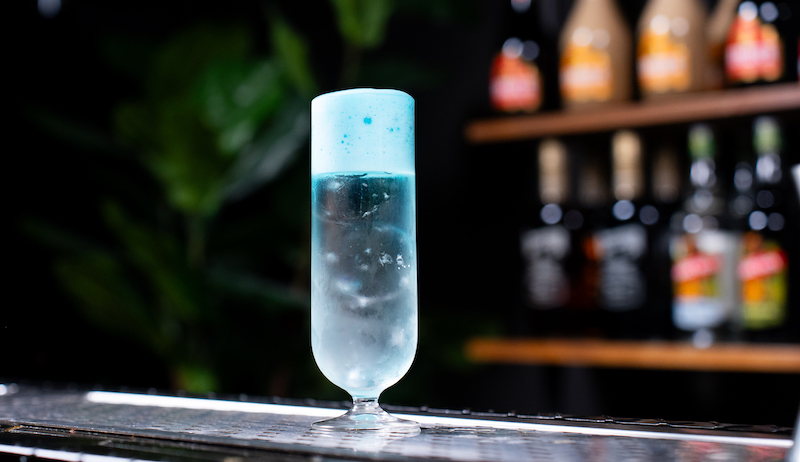
Phillips Distilling Co.’s 2026 Cocktailmanac forecasts a rise in highbrow/lowbrow cocktail riffs, such as The Blue Hawaiian Bianco Negroni at Donna’s in Los Angeles. “Think ‘guilty pleasure’ cocktails, but glowed up — like the classics you’d never admit you love, reimagined with craft spirits and chef-y upgrades. It’s nostalgia with a résumé.”
Unsung wine grapes
AF&Co. and Carbonate predict that some of the less-known wine varietals will step into the wine spotlight this year. Chenin blanc, for one, is primed to ride the coattails of sauvignon blanc’s rising wave, as it shares similar flavor characteristics and is incredibly versatile, the report says. It can be sweet, dry, off-dry, still or sparkling. It’s also food-friendly and can pair well with many different cuisines.
Portugal’s vinho verde grape, naturally low in alcohol, crisp and lightly spritzy, is another. Most vinho verde is tailor-made for casual, everyday moments — picnics, poolside afternoons, and easy weeknight dinners. The recent boom in Portuguese tourism is also fueling familiarity, curiosity and demand for the varietal.
Look for cabernet franc to finally step out of the shadow of cabernet sauvignon.
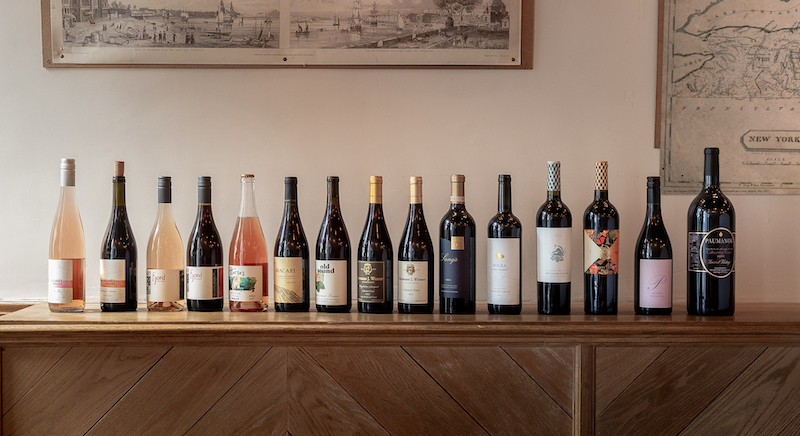
As for reds, AF&Co. and Carbonate note that cabernet franc is finally stepping out of the shadow of cabernet sauvignon. Cab franc checks all the right boxes: naturally moderate in alcohol, vibrant in acidity, and often served chilled.
Cab Franc Forward NY, a grassroots initiative launched last year by New York’s wineries, is doing its part to spread the word about the varietal. It aims to establish cabernet franc as the state’s signature red grape and elevate it on the global wine stage.
RTDs with global flavors
Research firm Mintel predicts that ready-to-drink (RTD) beverage innovation will center on bold flavor experimentation, premium cocktail-style offerings, and expanded low-/no-alcohol formats that align with sober-curious but still-drinking younger consumers. Flavor is the top factor influencing RTD purchases, according to Mintel’s report on RTD Alcoholic Beverages-US 2025, and ranks high in consumer interest for innovation.
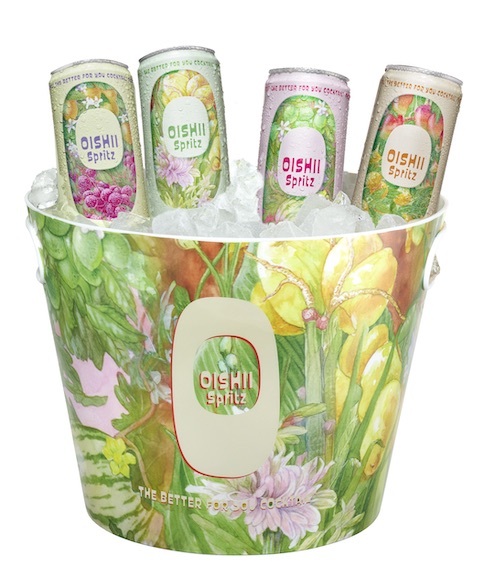
The Mintel report notes that while Hispanic and tropical flavors have long been staples in the category, Asian-inspired options are now entering the market. Drinks including soju and sake are gaining popularity, fueled by K-pop, Korean dramas and cultural crossovers.
This influence is evident in RTD launches, both through Asian brands expanding into the U.S., such as Japanese brand -196, or national brands experimenting with Asian flavor profiles. For example, Oishii Sake Spritz, a 6% ABV, zero-added-sugar, gluten-free RTD, launched in summer 2025 and is available in flavors such as mango yuzu, lychee lemon, watermelon lime, and coconut lemongrass.
This trend ties in with Liquid Insights Tour’s prediction that amplified Asian influence will give mixology an exotic edge. “As mixologists continue to lean in on Asian flavors, yuzu, lychee, shiso, sake, umeshu, miso, rice mirin and even ponzu are becoming cocktail staples to explore,” the tour report says. “This surge in Asian culinary influence introduces umami and unique flavor twists, offering ways to redefine balance in modern drinks.”
Flavorful beer
Not to be outdone by the flavor trend in hard seltzers and hard teas, more brewers have been experimenting with adding flavors, says Witte. For example, one of the biggest brands in this category, Busch Light Apple, this past June introduced a sister beer for warm weather: Busch Light Lime.
“Not only will we see brewers venture further into this space in 2026, but we’ll continue to see this trend dovetail with the breeding of more and more hops with fruit-forward aromas and flavors,” Witte says. “This has long been a way for brewers to enter this space through more traditional means. And I think it’s a trend that will continue.”
Agave wine drinks
Made from the blue agave plant — the same base ingredient as tequila — agave wine is fermented rather than distilled, with a bit of tequila occasionally mixed in to add flavor. The result is in an ABV typically ranging from 12% to 15%, making it ideal for low-alcohol cocktails, and why AF&Co. and Carbonate included it in their trend report.
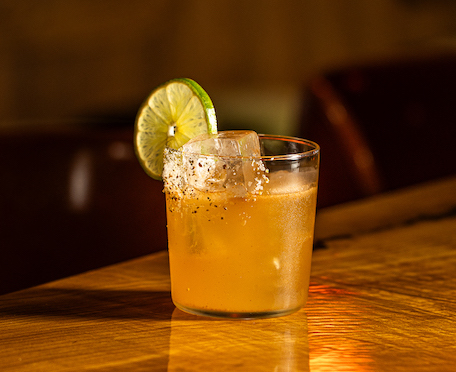
With tequila rising to become one of the most popular spirits in America, agave wine is set to ride the wave as the alternative that offers tequila’s flavor, but with less alcohol, the report says. It’s perfectly timed to meet the growing demand for lower-ABV drinks.
For example, Sipeos in Walnut Creek, CA, offers a low-ABV Paloma made with agave wine, agave syrup, grapefruit and lime juice. Bar Snack in New York has the Good Gordo, a spicy Margarita riff made with apricot, rancho gordo hot sauce, the guest’s choice of either mezcal or tequila, and agave wine.
Wine-based formats allow beer- and wine-licensed venues to expand cocktail offerings. These liquor alternatives extend beyond agave. For instance, Premium Blend this past January introduced Tumisco, a wine-based tribute to Peru’s quebranta pisco.
Cordials and aperitifs rise up
Southern Glazer’s Liquid Insights Tour found that cordials, aperitifs and amari outpace traditional bases such as gin, vodka, whiskey and rum. This reflects a growing preference for approachable, flavor-forward cocktails with fruit brandies, and a wide range of amari — from light and herbaceous to bitter and complex.
Kimpton predicts that the Garibaldi will unseat the Aperol Spritz as the new favorite aperitivo cocktail.
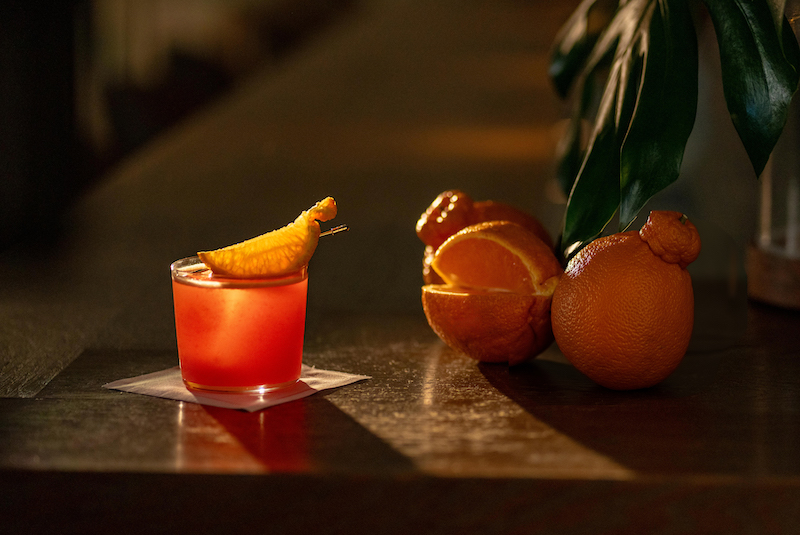
While most drinks still feature a lead spirit, the incorporation of multiple cordials and aperitifs to add complexity was prominent on menus, the 2026 Liquid Insights Tour found. For example, the Domingo Al Chifa at a speakeasy-style venue in Paris features aged rum, Peking duck spice mix, sweet vermouth, Campari, hoisin sauce and Inca bitters for a savory-sweet cocktail that fuses Latin and Asian influences.
Kimpton predicts that the Garibaldi — Campari and orange juice — will unseat the Aperol Spritz as the new favorite aperitivo cocktail. “Low ABV but high in refreshing flavor, menus will feature variations using combinations of unique citrus and Italian aperitifs.”
No-/low-alcohol beer
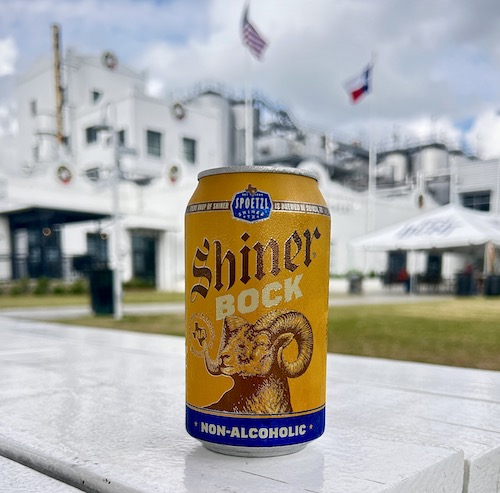
The past few years have seen a surge of no-alcohol beer on the market, led in part by Athletic Brewing, Witte says. “These offerings will continue to roll in, as we’ve already seen this year with the introduction of Shiner Bock non-alcoholic.” Anheuser-Busch in January introduced the alcohol-free Michelob ULTRA Zero Lime.
But there is still a huge demand for alcoholic brews as well, Witte adds. “Low-alcohol beers are just the thing to appeal to the drinker who might be looking to dial back on alcohol consumption without cutting it out altogether. And with beer’s historic position as the beverage of moderation, I see this trend developing further this year.”
The post 10 Beverage Trends for 2026 appeared first on Beverage Information Group.