
SipSource Reveals Key Trends for 2026 at WSWA’s Access LIVE
At the Opening General Session of Access LIVE 2026, wine and spirits industry analysts Danny Brager and Dale Stratton made their way to the main stage to deliver their SipSource Trends Update, offering a blunt yet realistic view of the year ahead.
For their SipSource Trends Update, Brager and Stratton drew on both internal and external data sets. “We live in the real world,” Brager said. “And the real world and its numbers suggest something a bit different than we might hope.”
Here are their top five observations about the upcoming year in wine and spirits.
1. Points of Distribution Are Declining
Points of distribution (PODs) have continued to decrease, according to SipSource data, and that loss means fewer shelf placements and less visibility for brands.
“We’ve had significant drops in the number of PODs two years in a row,” Stratton said at the event. “All channels are losing distribution, and that’s affecting everyone from producers to glass and cork manufacturers to wholesalers trying to manage inventory.”
According to Brager, more competition for less real estate puts even more emphasis on standout brand stories and data-driven selling strategies. “We’re seeing declining shelf space and more of us competing for that space. Fact-based decision-making is needed more than ever.”
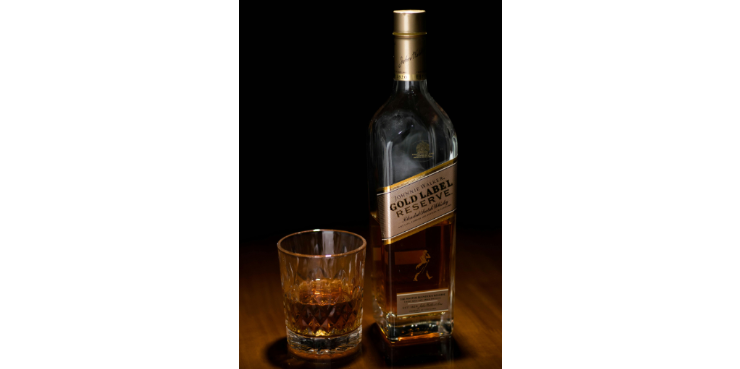
2. Premiumization Is Under Pressure — Especially at the Edges
Both analysts emphasized a troubling squeeze on price extremes, as noted by WSWA. “The two ends are suffering the worst,” Stratton said. “That low-end value business continues to struggle, and the over-$100 high end has really been under pressure for about two and a half years.”
“We’re starting to see convergence in trends in the center,” he continued. “There’s still premiumization, but we’re nervous about it. Consumers are more selective. They’re drinking better, not necessarily more.”
3. RTDs Now Rival Vodka and Whiskey in Volume
The growth of spirit-based ready-to-drink (RTDs) cocktails shows no sign of slowing, according to SipSource data. “Spirit RTDs now account for 10% of all spirits dollars and an incredible 26% of spirits volume,” said Brager. “That means they’re larger in volume than vodka or whiskey.”
Brager attributed this shift in RTDs appeal to what he styled as the “Four Fs”: flavor, format, function and financial accessibility. “They check all the boxes: great taste, portability, sometimes functional benefits and attractive pricing.”
In addition, both wine- and spirits-based RTDs are taking share from malt-based seltzers, according to SipSource data. And the innovation pipeline remains strong.
4. Wine Faces Persistent Headwinds — But There Are Bright Spots
The wine category remains a challenging one, with overall revenue down 7.1% in 2025, according to SipSource data. But Brager and Stratton both pointed to promising signs in sparkling and higher-end segments.
“Prosecco continues to grow — it was up 3.7% in revenue last year,” Stratton noted. “Champagne has been volatile since the pandemic but came back. Imported sparkling is up; domestic sparkling is down.”
The lowest-end price tiers remain in decline, while some regions (including California’s Napa, Sonoma and Paso Robles) are showing opportunities above the $16 mark.
Brager stressed the importance of going deeper: “There’s still good growth if you look at varietals, price tiers and specific regions. You just have to dig to find it.”
5. Consumers Are Blurring Category Lines, and They Want More Control
Today’s consumer is “not just drinking wine or spirits,” Brager said. “They’re exploring beer, non-alc, RTDs, hemp-based beverages and functional drinks, often all in the same week.”
Stratton noted this intensifying convergence requires new thinking from brands and wholesalers alike. “Consumer choice is broader than ever before. It’s really an awesome time to be a consumer, and a challenge for the rest of us.”
Economic pressures, too, continue to shape behavior, according to SipSource data. “Groceries cost 30% more than they did in 2020,” Stratton observed. “And consumers are adjusting. But they’re resilient, and they still want to celebrate.”
Despite the headwinds, Brager and Stratton closed with a message of clarity and action. “We believe in controlling the controllables,” said Stratton. “Yes, there are outside forces: the economy, inflation, tariffs. But we also know what we can influence, and that’s where our focus should be.”
As Brager pointed out, this isn’t the first time the wine and spirits industry has faced major changes in the marketplace. “It’s time to reframe the conversation,” he said. “Focus on solutions. Accept the challenges, adapt and move forward like we’ve always done.”
The post SipSource Reveals Key Trends for 2026 at WSWA’s Access LIVE appeared first on Beverage Information Group.