
A Women’s History Month Spotlight on Bridget Albert
As we celebrate Women’s History Month, the beverage alcohol industry is taking a moment to reflect not just on the progress made, but on the visionary leaders currently shaping its future. Transformation in this space doesn’t happen by accident; it requires a blend of strategic communication, tireless advocacy and a commitment to mentorship.
Few embody this more effectively than Bridget Albert, senior director of external communications at Southern Glazer’s Wine & Spirits.
Albert’s influence extends far beyond her title. From her deep roots in the hospitality world to her current role at the nation’s largest wine and spirits distributor, she has become a definitive voice for growth and inclusion. Whether she is elevating the company’s narrative on a global stage or hosting the Served Up podcast to highlight diverse industry perspectives, her work is rooted in a singular goal: making a meaningful, lasting impact.
We recently sat down with Albert to discuss how she uses the podcast to discuss advocacy and belonging, the importance of authentic storytelling and how she is leveraging her platform to pave the way for the next generation of female leaders in beverage alcohol.
Beverage Wholesaler (BW): You’ve transitioned from being a “Market Fresh Mixologist” and award-winning author to a Senior Director in External Communications. How has your background behind the bar informed your strategy for communicating the SGWS brand to a global audience?
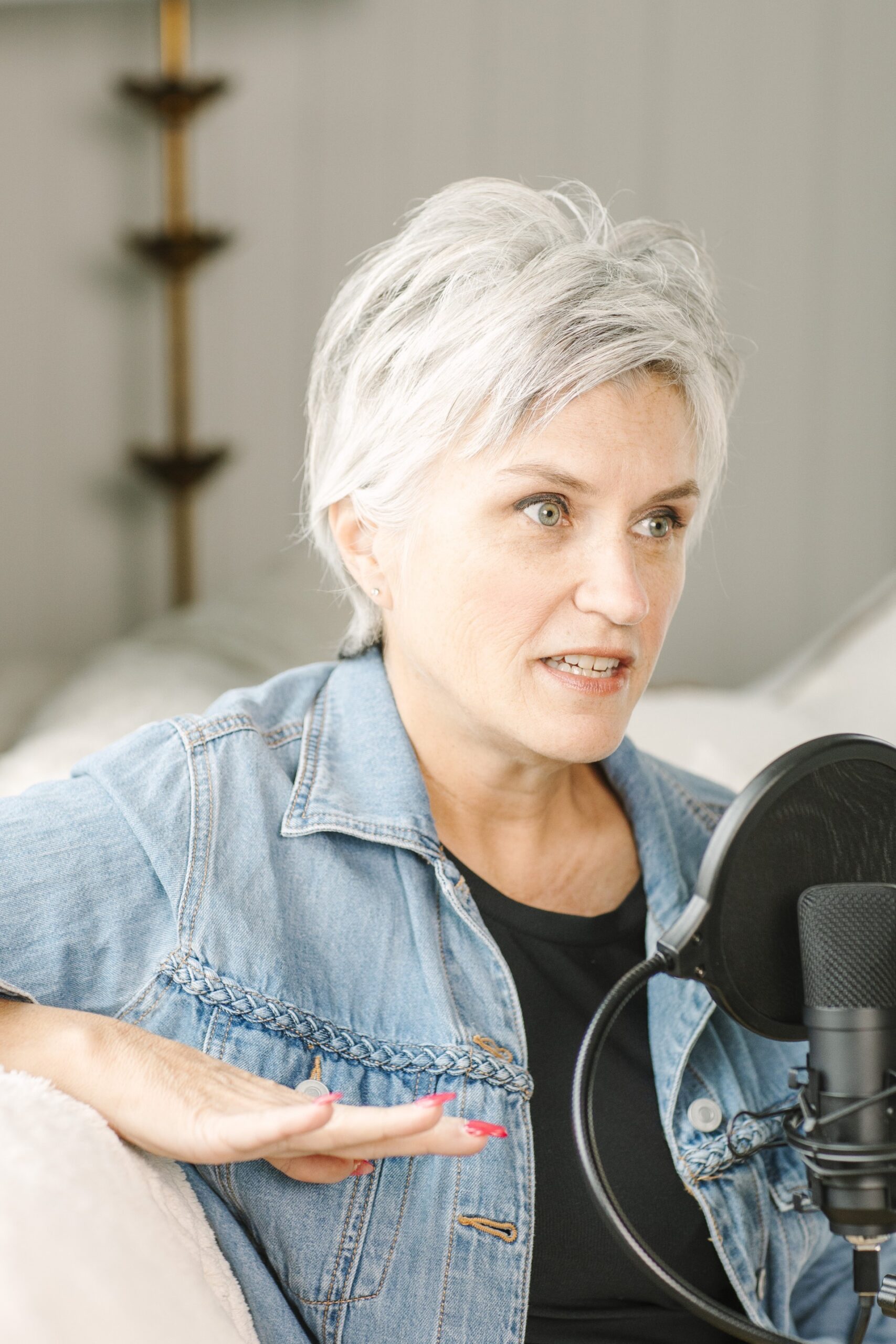
Bridget Albert (BA): That’s such a meaningful question because, for me, there’s no separation between who I was behind the bar and how I lead today. Being the “Market Fresh Mixologist” taught me that every ingredient has a story, every guest has a perspective and every experience is intentional. Behind the bar, you learn to read people quickly. You understand the nuances. You listen more than you speak. You recognize that connection is built in the moment, but trust is built over time.
That foundation directly informs me how I approach my gig as senior director of external communications of Southern Glazer’s. When communicating on behalf of the company, I think the same way I did when crafting a cocktail: What’s the balance and intention? What’s the experience we want to leave behind? Hospitality teaches you that it’s never about the drink alone – it’s about how someone feels holding it. Communications works the same way. It’s not just about messaging; it’s about clarity, building credibility and strengthening relationships.
My time behind the bar also gave me a deep respect for the beverage trade. I understand operators and bartenders because I have been one. That lived experience ensures my voice remains authentic and grounded in reality.
BW: You co-host the Served Up podcast, which focuses on advocacy and belonging. What inspired you to use your platform at SGWS to highlight social justice and diversity within the hospitality community?
BA: I found Served Up, the podcast, during lockdown with one very simple intention – to be a resource for the beverage trade. The industry had come to a standstill – bars were closed, restaurants were struggling and I genuinely thought the first episode would be sanitation behind the bar. But then the murder of George Floyd happened. The social unrest that followed shifted everything, including my perspective on what the industry needed the most.
It became clear that we couldn’t talk about reopening bars without also talking about deeper fractures within our communities. Hospitality, at its core, is about belonging – so the podcast evolved. I made a commitment that every episode would tell an inspiring story. Sometimes that story centers around social justice. Sometimes it highlights brands that are doing the right thing, whether through sustainable production, ethical sourcing or meaningful community investment. Other times, it’s about bringing in topic experts the listeners are curious about – voices from both within and beyond the traditional wine and spirits world.
Served Up is about humanity. It’s a small part I play to ensure the beverage industry continues to evolve both commercially and culturally.
BW: In supporting the growth of the Academy of Spirits and Fine Service, how do you see education as a tool for empowering the next generation of industry professionals?
BA: When Francesco Lafranconi founded the Academy of Spirits and Fine Service program, his vision was to create a structured, elevated approach to beverage education that honored both craft and professionalism. When I had the opportunity to launch the program in Illinois and later support its growth in Kentucky and Minnesota, I saw it as more than curriculum — I saw it as community building.
I added my own twist by expanding the program beyond technical skills and tastings. Yes, we focused on spirits education, service standards and category depth. But I also believe education should stretch people culturally and creatively. That’s why I founded the Advanced Mixology Culinary Academy, which integrated culinary components and immersive global experiences. I took bartenders around the world to visit distilleries, explore local markets, study food traditions and engage with art and history. I wanted them to understand that a spirit is not just liquid in the glass — it is geography, agriculture, migration, economics and culture.
The Academy experience remains one of the most joyful periods of my career. Watching professionals discover their potential and return home transformed was extraordinary. Many of those alumni went on to open bars, lead programs, mentor others and help shape what is now the Chicago beverage community as we know it. I’ve been told the program helped lay the foundation for the collaborative, elevated scenes that exist there today — and that is something I’m deeply proud of.
BW: In your current role, how do you balance the traditional “trade” side of the business with the modern need for “storytelling” that resonates with today’s more intentional consumers?
BA: Our industry is built on heritage, multigenerational producers, time-honored production methods and long-standing distributor relationships. Legacy deserves its flowers, but today’s consumer is asking different questions. They’re looking for transparency, purpose and authenticity.
In my role, I see myself as a translator between those two worlds. The traditional side provides credibility and structure, while the modern consumer requires context: why it matters, how it’s made, who it impacts and what it stands for.
Authenticity is the bridge. You cannot manufacture authenticity, but you can uncover it. Every brand has a real story about its founder, region, its challenges and its evolution. Part of my job is to help tell those stories and collaborate closely across teams.
BW: You were the first female mixologist featured on Iron Chef America. Looking back, what were the biggest internal or external hurdles you faced in a field that was, and in many ways still is, dominated by men?
BA: Being the first female mixologist on the Food Network’s Iron Chef America was both an honor and a responsibility. At the time, the cocktail world was particularly at the highest competitive and media levels, was heavily male dominated. Walking into Kitchen Stadium, I was very aware that I wasn’t just representing myself. I was representing possibilities.
Externally, the hurdles were the same ones many women in hospitality know well. There were assumptions. There were moments of being underestimated. There were rooms where you had to prove your technical knowledge twice — once to be heard, and again to be respected. Visibility was limited. But I also learned how deeply representation matters. After the show aired, women reached out to say, “Seeing you there changed what I believe was possible for me.” That stayed with me.
The industry has evolved since then, and I’m proud of the progress we’re making. There are more women leading bar programs, owning brands and sitting on boards. But there is still work to do — in equity, in opportunity and in recognition.
What I am most proud of isn’t simply being the first. It’s that I remained committed to mentorship and to lifting others along the way.
BW: How did you find the confidence to embrace your unique identity and high-stakes corporate and culinary environments?
BA: In high-stakes corporate and culinary environments, there is often an unspoken pressure to conform — to adjust your tone to fit the room. Early in my career, I certainly felt that tension. But over time, I realized that my unique identity wasn’t something to manage — it was my differentiator.
I find confidence in preparation. I do the work. I know my craft. I also find confidence in perspective. I’ve worked behind bars, on global stages and in corporate America. Those experiences give me range.
Most importantly, I’ve learned that authenticity is sustainable in a way that performance is not. When you’re grounded in who you are — your values, your integrity, your lived experience, you don’t have to waste energy on pretending. You can focus your energy on listening and contributing meaningfully.
There were moments early on where being different in corporate America felt isolated. Now, I see that my perspective allows me to connect the dots others might not see. It allows me to bring hospitality to spaces that need it.
BW: You’ve been nominated as a top beverage mentor in the world multiple times. Who were the women (or allies) that supported your climb, and how is SGWS currently fostering a pipeline for female leaders?
BA: I’ve never believed that success happens all by itself. If I’ve been fortunate enough to be recognized as a mentor, it’s because I first had — and still have — extraordinary mentors and allies who modeled what leadership with integrity looks like, both men and women.
Mary Barranco, formerly vice president, national training director for Southern Wine & Spirits of America Inc. — now Southern Glazer’s, was one of those foundational influences. She demonstrated that strength and grace are not opposites; they are partners.
Cindy Haas Bruce, our vice president of communications and corporate social responsibility at Southern Glazer’s, also continues to play a pivotal role in my growth. From her, I learned the importance of how to think long term and how to ensure passion is supported by structure.
And Lynn House, national spirits specialist & portfolio mixologist for Heaven Hill Brands has been an incredible ally in this industry — the very definition of excellence without ego. She shows up to be prepared, principled and powerful, while actively creating space for others.
These are just a few of the relationships that I cherish.
At Southern Glazer’s, I see a genuine commitment to fostering a pipeline for female leaders — through structured leadership development programs, mentorship opportunities and intentional visibility for women across functions. For me, building the pipeline isn’t about checking a box. It’s about ensuring the next generation doesn’t have to navigate the same barriers. It’s about normalizing women in executive leadership, supplier partnerships, in strategy roles and boardrooms.
If I’ve learned anything from my mentors and allies, it’s this: leadership isn’t climbing higher — it’s about making the climb possible for someone else.
BW: For a young woman entering the spirits industry today, what is the one “survival skill” or mindset shift you believe is essential for long-term success?
BA: Resilience grounded in self-trust. The beverage industry can be exhilarating and demanding. You will be tested. You will be underestimated at times. The key is to know your value before you walk into the room. Stay curious and refuse to shrink to make others comfortable.
BW: How has the definition of a “successful woman” in the spirits industry changed from when you first started to where you are now today?
BA: When I first started, the definition of a “successful woman” in the spirits industry was often narrow. Success meant endurance. It meant being able to keep up. It meant proving you could handle the late nights, high volume and high pressure without complaint. Recognition was rare, and leadership roles for women were even rarer. There was a belief that if you were talented, you would be an exception.
Today, the definition has expanded. Success is no longer about stamina — It’s about influence. It’s about strategic thinking. It’s about mentorship, innovation, cultural awareness and leadership presence. Women are brand founders, master distillers, educators, board members and executives. The visibility has shifted. The industry still has work to do but the definition of a successful woman has grown from “she can hang” to “she can lead.” And that shift matters.
The post A Women’s History Month Spotlight on Bridget Albert appeared first on Beverage Information Group.