
Why An Italian After-Dinner Tradition Has Lasted For Centuries
In Italy, finishing dinner doesn’t necessarily mean the evening is over. In fact, a key part of the Italian dinner experience comes after all the food is gone. While the country’s aperitivo culture is all about easing into a meal, digestivo is about what follows it.
The tradition comes from the centuries-old practice of infusing alcohol with herbs, roots, and other botanicals for their medicinal and digestive benefits. While some popular digestivi are still consumed for their perceived digestive advantages, the practice has shifted over time from one of function to enjoyment. The digestivo has become an important part of Italian dining culture.
Typically served neat in small glasses, the digestivi range from intensely herbal amari to sweet citrus liqueurs and powerful grape-based spirits. And just as Italy’s regional cuisines vary dramatically from north to south, so do these liqueurs. From those of northern Italy to the sunny Amalfi Coast, each offers a different glimpse into the country’s drinking history.
Grappa: Northern Italy’s Grape-Based Spirit
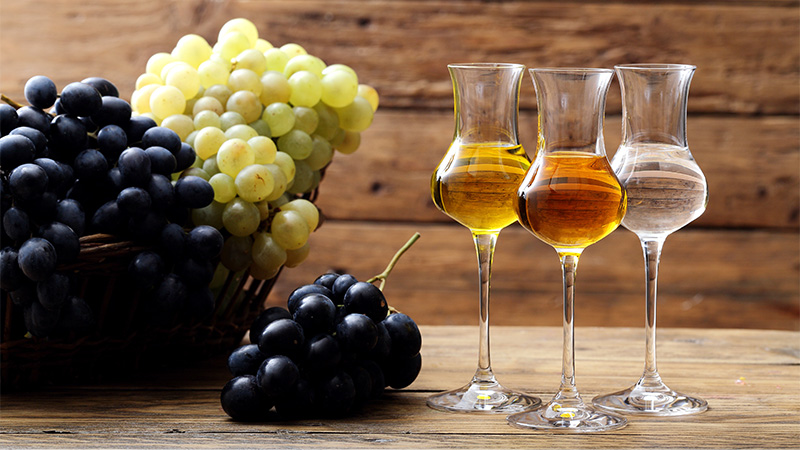
Grappa is a spirit made from grape pomace, which are the skins, seeds, and other solids left behind after grapes are pressed for winemaking.
The practice of distilling the leftovers developed over centuries, particularly in northern Italy, where regions such as Veneto, Trentino-Alto Adige, and Piemonte became important centers of grappa production.
While grappa production began in rural communities that wanted to use every part of the grape harvest, grappa gradually evolved from a rustic spirit into a sophisticated category of its own.
Today, producers make everything from clear, unaged grappa to expressions aged in wooden barrels. Depending on the grapes and production method, grappa characteristics can range from floral and fruity to rich and spicy.
Grappa is traditionally served neat after dinner, but is also sometimes added to espresso in a preparation known as caffè corretto, or “corrected coffee.”
Amari: Diverse and Cocktail-Ready
Italian amari are served after meals and span flavor profiles. It is made by infusing a base alcohol with a mix of bittering agents, herbs, roots, flowers, and citrus peels, then sweetening and aging the liquid.
Amaro leggero (light) has lower bitterness, is floral and citrusy, rounds out with a gentle sweetness, and is viewed as a gateway to darker amari. Amaro medio (medium) has a balanced bittersweetness and the flavor profile can include cola, caramel, licorice and citrus peel. Rabarbaro, or rhubarb root, has a smoky, earthy, slightly medicinal character. Alpine or mountain amaro is often drier and resinous, driven by mountain hers and pines.
While amaro is typically sipped neat as a digestivo, it’s also a favorite ingredient in various modern cocktails. Some of these include: the Black Manhattan: a sophisticated nightcap that swaps out traditional sweet vermouth for a rich, dark amaro, alongside rye whiskey and bitters, the Toronto: a classic whiskey riff combining rye whiskey, fernet, simple syrup and bitters.
Sambuca: Central Italy’s Anise-Flavored Traditional Beverage
For many drinkers, sambuca’s distinctive licorice-like flavor is instantly identifiable. The sweet, anise-flavored liqueur has particularly strong ties to Civitavecchia, a port city in Lazio, where commercial sambuca production developed during the 19th century.
Most sambuca is consumed neat after dinner. However, it’s also commonly served con la mosca, or “with the fly,” a preparation featuring three coffee beans floating in the glass. The beans add aroma and a visual flourish, with the representation of the number three historically associated with health, happiness, and prosperity.
Another favorite Italian ritual that deserves its place on any table around the world is to add a little sambuca to espresso as to enhance after-dinner coffee.
Limoncello: Southern Italy’s Sunshine in a Glass
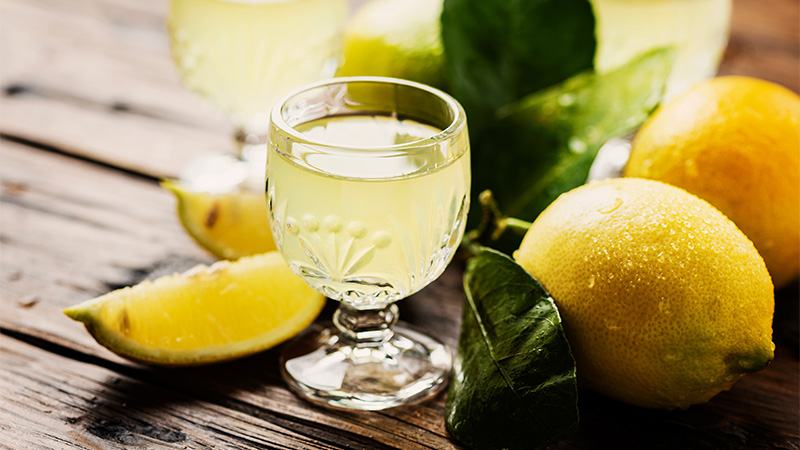
Limoncello is arguably one of Italy’s most famous after-dinner drinks, and unlike most herbal digestivi, limoncello doesn’t contain bitter roots or complex spice blends, making it one of the sweeter after-dinner options.
Like many cocktails and spirits, its precise origins are debated, with several communities claiming a role in its creation.
But the spirit is most closely associated with southern Italy, particularly the Sorrento Peninsula, Amalfi Coast, and the island of Capri, and celebrates one of the region’s most recognizable agricultural products: lemons.
Limoncello is traditionally made by steeping lemon peels in alcohol, then combining the infusion with sugar and water. The process extracts the aromatic oils from the peel, creating a fragrant, intensely citrusy sweet liqueur that can be enjoyed neat, in a spritz variation, and a host of other cocktails, especially those in the low ABV category.
A Tradition Worth Savoring
The range of Italian digestivi tells a story of regional ingredients, resourcefulness, and centuries of drinking traditions.
While these liqueurs were historically associated with aiding digestion, their appeal today has much more to do with flavor preference, hospitality, and the pleasure of extending a meal just a little longer.
They are a great incentive to not rush away from the dinner table.
This article is sponsored by the Italian Trade Agency.

The article Why An Italian After-Dinner Tradition Has Lasted For Centuries appeared first on VinePair.