
Interview: The Fight for State-level THC Beverage Rules
As federal lawmakers debate the future of the hemp-derived THC loophole in the 2018 Farm Bill, states have moved to define how they will regulate THC beverages. Retailers, distributors and suppliers now face a patchwork of emerging rules that will determine where these products can be sold, how they are taxed and who can carry them. For a look into how a beverage producer handles this uncertain time, we recently spoke with Gordon Whelpley, founder and CEO of Float House, a hemp-infused beverage manufacturer in Connecticut.
Beverage Dynamics: What is the state of hemp-derived THC drink legislation locally in Connecticut?
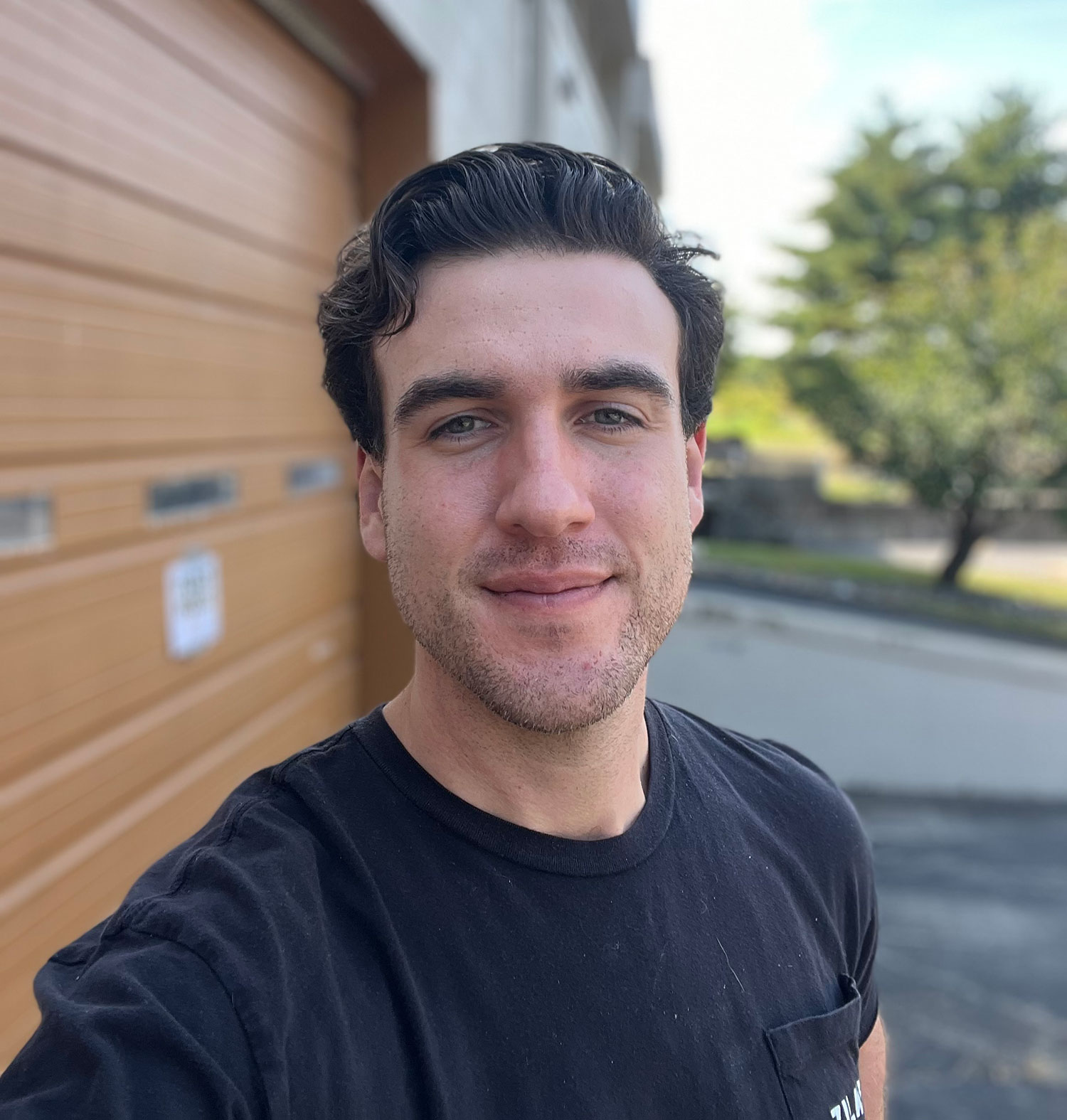
Gordon Whelpley: It’s in a very good place. The past couple of years have been pretty brutal. Within the lens of this looming ban, and I’m not going to hold my breath for any rescheduling. I’m not going to hold my breath for anything happening near the federal level. There is movement. Rand Paul and Klobuchar are introducing a bill maybe next week. We’ll see, but I don’t know. I hope for the best, but plan for the worst. So that was our real focus this legislative session.
I have been focused specifically on Connecticut because that’s where I feel I have a little bit of advocacy. At the beginning of the session, we met with the General Law Committee, and we were basically told where we sat on the totem pole, which makes sense, pretty low. And they said, okay, this ban, tell us the one thing you need to save you and that we’ll try.
And I was like, cool. We need to be able to legally stockpile to be able to prepare for the future. Because right now we are not allowed to hold any THC product that is above 0.3% that is non-Farm Bill compliant. Even within our license, we can’t have, hot, wet or work-in-progress.
We follow all the rules meticulously because I’ve just got too much to risk. So that’s what we were expecting. And then a couple weeks later, we heard that the House majority leader had decided he wanted to tackle this as his next big project.
And he hopped in, and all of a sudden, everything was up for discussion. Fast forward to this week. We got a bill that came out of committee. We met with everybody, voiced our concerns about it, had a lot of good things and a lot of things that weren’t quite there. In this most recent draft, which I believe is getting finalized and published today, we’ve got milligram increase up to five in liquor stores, and ten in dispensaries, which is a big one.
BD: Our understanding is that you also got some sort of on-premise component?
GW: My favorite thing is that we get to have a tap room. And October 1st, we’re going to be able to sell our THC beverages to go. Maximum 12 cans for a consumer, but that is massive. Better than zero.
Our biggest hurdle is awareness. We are a small company, laughably underfunded. We are doing boots on the ground sales, as many tastings as we can a week. We are just trying to get sips to lips, because that’s when the light bulb moment happens and people are like, ‘Oh, this isn’t a seltzer’.
We’re going to have a minimum-viable taproom space at our facility, where we can have people come in, try our no-THC samples. Which are also products that we are prepping to launch in anticipation of whatever happens at the federal level.
BD: How else are you preparing for the worst case if the loophole is allowed to close this November?
GW: My biggest ‘preparing for the worst case’ is that I don’t think payment processing for liquor stores is going to stick around. Stores will think, ‘You know, [THC beverages] are going to be my one drug’. And why would you risk the rest of your business or elect to go under a 70% to 80% effective tax rate?
So it’ll be dispensaries and us. Which, okay, that’s a much narrower thing. And you don’t do as well in dispensaries [as a THC beverage supplier].
BD: What would be like ideal legislation in your mind?
GW: So ideal legislation on a federal level? You let your states decide. This is, I feel is the best path to getting the current party to go along. And you know, they’re all about that, when it comes to certain things.
From the get go, I’ve known and fought that these are adult beverages, and they need to be regulated. You can tax these.
I look at beverages as having a high barrier of entry. Producing liquid is a pain in the ass. It just is. And doing nonalcoholic stuff safely and consistently, it takes a lot. This is one of the many reasons you don’t see a lot of recreational license holders even touching it.
BD: Tell me about the challenges of consumer education in this space.
GW: This is why I want to tap room so much, because the best way to do it is to explain in person and be able to walk through it. And everybody has their own endocannabinoid system and that is totally different experience for every single person.
Me, for example, I kind of have inverse effects for, say, some of the things that people you know will feel uplifted from will be sedating to me, but with sativa, total inverse. Sativa will make me sleepy. So you need to start slow and go slow and you got to get a feel for it. No need to jump off the diving board with any of these high-dose products.
This interview was condensed and edited for publication.
Kyle Swartz is editor of Cannabis Regulator. Reach him at kswartz@epgacceleration.com. Read his recent piece, How to Attract Gen Z to Alcohol.
The post Interview: The Fight for State-level THC Beverage Rules appeared first on Beverage Information Group.